A feast of pumpkins at RHS Gardens
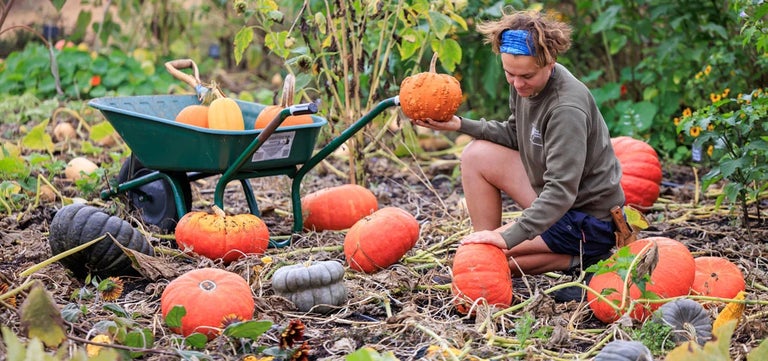
As hundreds of pumpkins and squashes take over the RHS Gardens this autumn, discover our favourite varieties, pick up growing inspiration and savour pumpkin-themed events

From colourful heritage varieties to reliable favourites, RHS Wisley Edibles Expert Liz Mooney celebrates the diversity of winter squash and shares why they're one of her favourite crops to grow
Winter squash are a crop I’d never be without. They’re probably my favourite of all vegetables to grow because of their ease of cultivation, taste, variety and versatility of use in the kitchen. These plants cover my allotment in autumn, working well to smother weeds and after harvesting, in early winter, I’ve been known to decorate my flat with up to 100 fruits before gradually eating my way through them. I’m completely self-sufficient in fresh fruit and vegetables, and stored squash provide an essential part of my diet during winter and through early spring.

Winter squash originate from the Americas and are in the genus Cucurbita, which is part of the gourd family, Cucurbitaceae. Three species are commonly grown in UK gardens. Firstly, C. maxima , which gives us many of the most flavoursome cultivars, including 'Queensland Blue’ and ‘Crown Prince’ , with fruits that generally have a rich, slightly nutty flavour. An amazingly variable species, C. pepo bears slightly juicier fruits and has been bred to give us summer squash, marrows and courgettes, pumpkins and acorn type winter squash such as ‘Honey Bear’ . Then there’s C. moschata , which contains the butternut squash. These can be grown successfully in the UK but they originate in the more tropical regions of Central America so, with a couple of exceptions, might sometimes struggle in cooler summers.

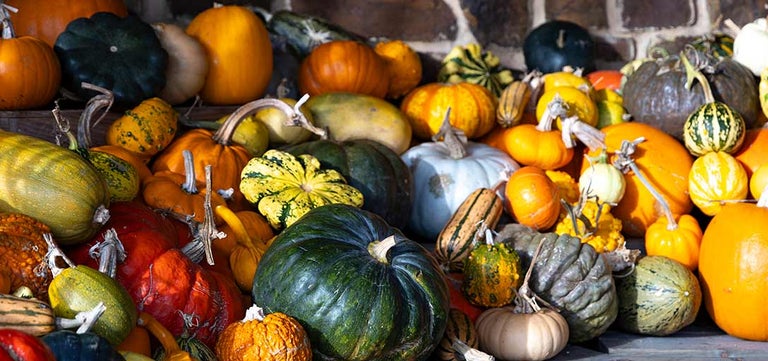
It's the range of species that accounts for the great variety of sizes and colours of squash you can grow. These plants take squash far beyond the bland-tasting supermarket butternut squash and Halloween pumpkins. They come in many colours, from white to deep blue and pink, they can be small, single-portion fruits, or grown to enormous sizes, and luckily all species can be treated much the same way in gardens.
Winter squash seeds can be sown directly where you want them to grow once the last frost has passed, but to give them a long enough , they’re best started inside in early to mid-April. Sow two seeds into a 9cm pot then thin out to keep just the strongest after . Keep in a warm, bright place until planting time in late May or early June.
Squash do best in a sunny spot, in rich soil with plenty of organic matter. They’re hungry and thirsty plants, so avoid growing them in pots if possible – large containers are worth a try if it’s your only option. Bush selections are compact at around 1m in width, whereas trailing cultivars can spread to a few metres. Spacing depends on the so be sure to know if it’s a bush or trailing type and always allow at least 1m. To save space on the ground, trailing plants will grow well up obelisks or over arches – even large fruiting ones can be grown this way, given nets to support their heavy fruit. Alternatively, plants can be left to ramble. In this case, just cut back as necessary to stop them swamping other plants.

Although not essential, fruits can be thinned to focus the plants’ energy into a fewer, larger squash, but plants sometimes drop fruits due to poor growing conditions. Young fruits can be removed in September as they won’t have time to mature before the frosts. Plants on good soil won’t need feeding but those in pots benefit from a balanced seaweed feed. Squash can shade the ground, locking in moisture and suppressing weeds, or grow under tall plants such as sunflowers, sweetcorn, or fruit trees. I've also put young plants in the middle of crops such as beetroot, which can then be successionally harvested as the squash grows.
The fruits usually ripen from late September – a good indication is if the part of the fruit against the soil has reached the same colour as the rest of the skin. You can also tap the skin to check if it is hard. When harvesting, leave a T-shaped piece of stem attached to the fruit to reduce the chances of it rotting. Curing squash helps them to store through winter – this means leaving the fruits exposed to sunlight, often in a greenhouse or on a sunny windowsill. Unlike most crops, the flavour improves once harvested. This is particularly true for the C. maxima and C. moschata types, which reach peak flavour 3–6 months from harvest. After a few weeks of curing the fruits can be stored in a dry, frost and rodent-free area with good air flow, ideally around 10–15°c. Check for rot every few weeks. Some can store for months – I’ve eaten ‘Crown Prince’ as late as the following May.

Squash plants are fairly trouble-free. The most common problems are wilting due to a lack of water, or powdery mildew forming a white coating on the leaves. When you spot mildew, simply remove the leaves to the heap. Doing this in autumn has the added benefit of exposing the fruit to more light, helping them to mature. Some cultivars, such as ‘Red Kuri’ are more susceptible to mildew than others, but it generally doesn’t affect fruiting. There’s no need to fret because they all usually get it to some degree by the end of the season.
Winter squash are a great crop for any home grower. They’re low maintenance, flavourful and nutritious, hugely varied and you can eat them right through winter. One of the joys of squash is their versatility in the kitchen. I love the flavour of ‘Bonbon’ and ‘Crown Prince’ so much I often eat them plain, and they’re all great roasted, boiled, or included in pumpkin pies, risottos, or hearty soups.
Enjoyed this article?
This piece comes from The Garden, the monthly magazine sent to RHS members. Filled with expert advice, planting inspiration and seasonal ideas, it’s one of the many benefits of RHS membership. Become a member to receive your copy each month.